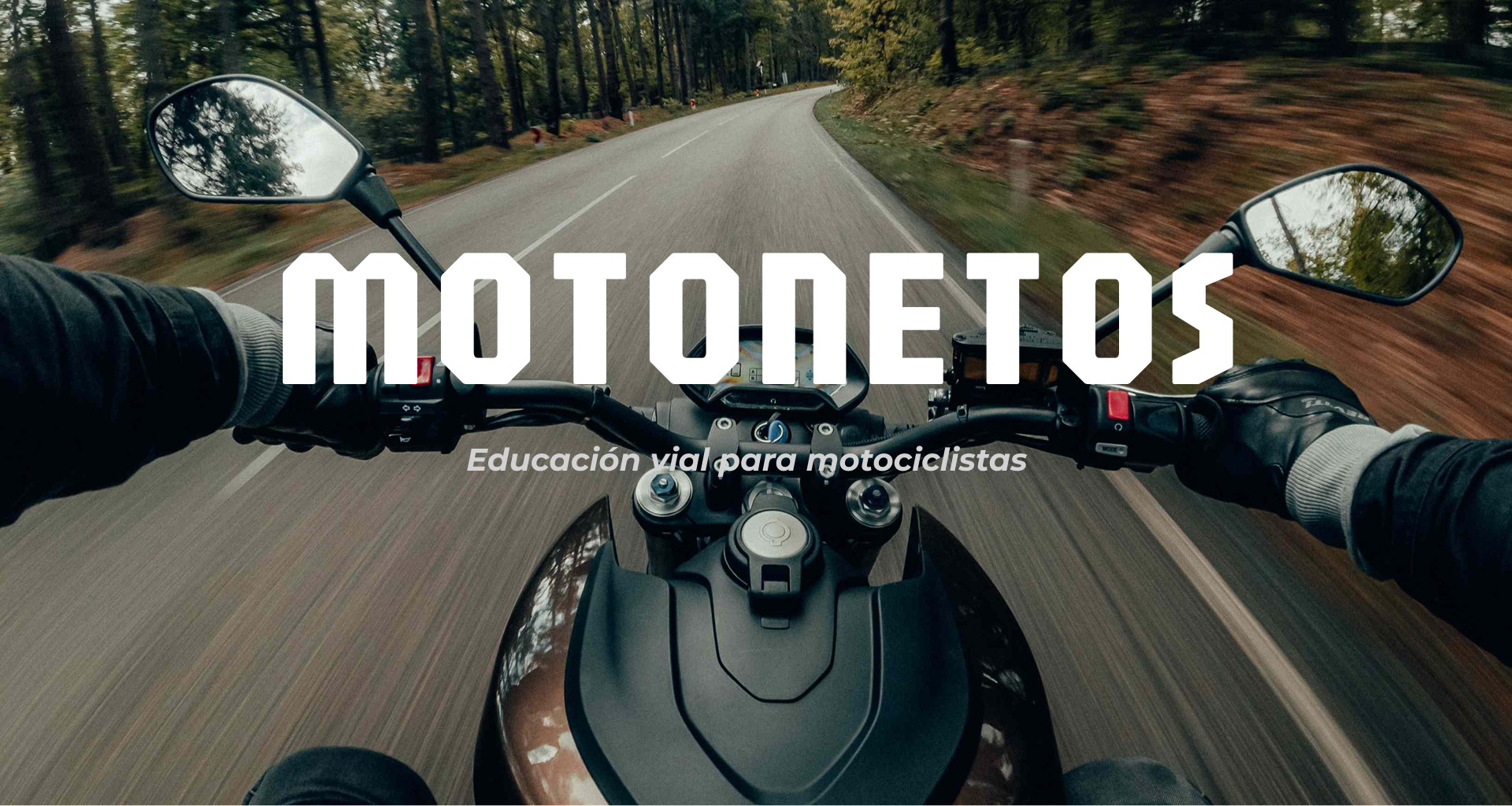
Motonetos is a VR experience designed to change how people think before and while they ride. Players move through a first-person motorcycle simulation and face a series of road decisions. pick the wrong choice and the experience shows you what happens next. Make the right one and the ride continues.
The team filmed the footage themselves: real bikes, real roads, GoPro cameras mounted on helmets, all integrated into a Unity VR experience. The result works both as a warning and as an engaging educational tool.
Real footage, real stakes
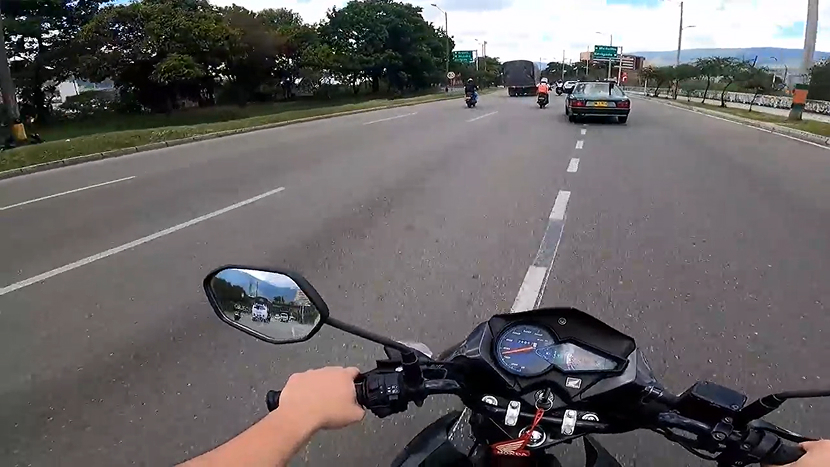
The central design decision was to use real video instead of CGI. Footage from helmet-mounted GoPros gave the experience an intimate realism that a simulated environment couldn't. When you decide whether to overtake on a blind curve, you're looking at a real road, traffic and lights. Also, because it was a local university project, most people could recognize most of the roads, which also helped with the immersion.
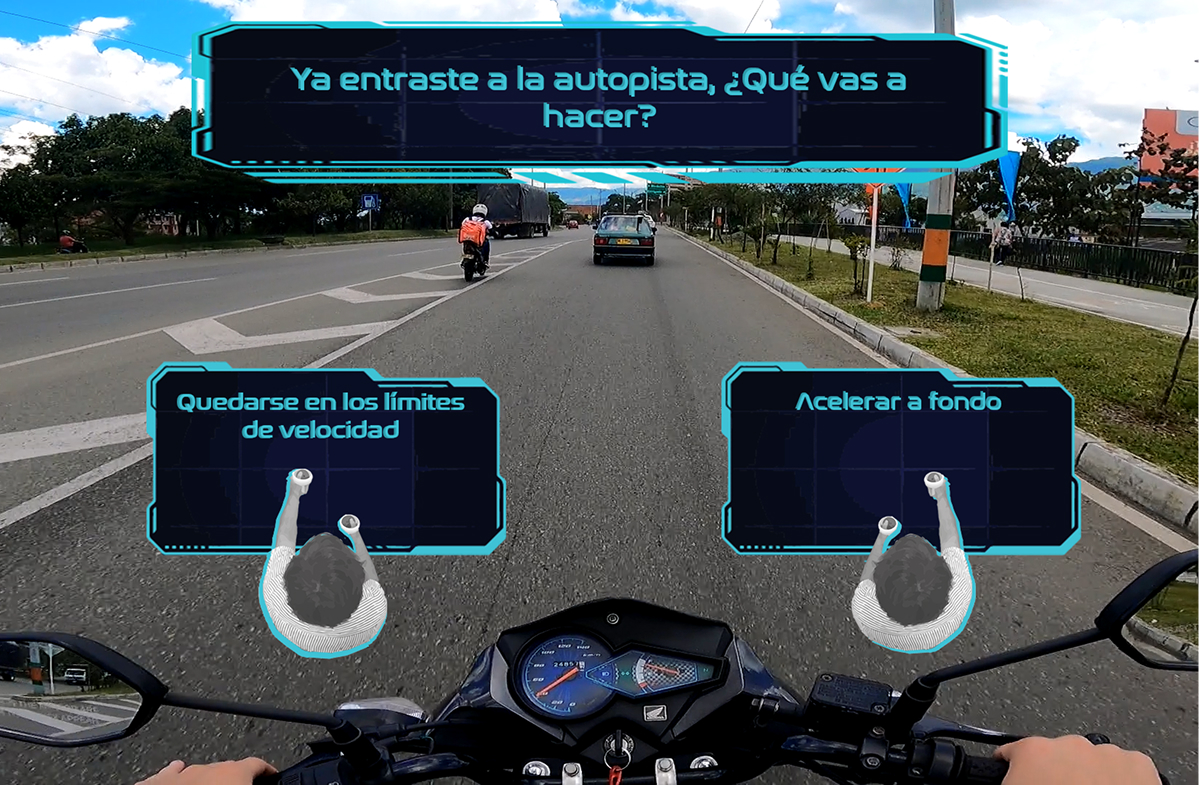
The VR controllers became the motorcycle handles. So a wrong turn (choice) leads to a bad ending, either a crash sequence, motorcycle malfunction, or different mechanical/road related mishaps, which makes the experience rewind and give you another chance to pick the right choice.
"CGI would have felt like a game. Real footage made it feel like a near miss."
Bringing it together in Unity
I built the integration pipeline: taking the footage, edited sequences and 3D assets the team produced and assembling them into one coherent VR experience. That meant building the branching video system, so the right footage plays depending on the player's input, managing the transitions between decision points and keeping the ride feeling continuous.
Two technical challenges stood out. Video playback in VR has to hold a steady framerate, or immersion collapses immediately. And Meta's tooling (still Oculus at the time) had limited documentation, which made development slower than it should have been.
Motonetos was completed as a fully functional VR experience in a university team project. In my view, using real footage was its strongest design choice: it moved the project from a standard educational simulation toward something closer to an experiential argument.